Introduction
Walking into a home filled with freshness is uplifting. Indoor plants make that possible. They transform dull corners into vibrant, healthy spaces.
From improving air quality to boosting mood, plants are more than decoration. In this guide, you’ll learn how to use them for style, health, and happiness.
Why Choose Indoor Plants for Your Home
First, the science is clear. Indoor plants clean the air by absorbing toxins like benzene and formaldehyde.
They also reduce stress and boost focus. NASA research confirms their power to filter indoor air effectively.
For people in the UK, USA, and Canada—where winters can be long—plants bring nature inside. They lift moods during darker months.
Health Benefits of Indoor Plants
Next, consider your health. Indoor plants increase humidity, easing dry skin and throats in heated homes.
Studies from the University of Exeter show they improve focus and productivity.
See the University of Exeter report.
Families also benefit. Children learn responsibility by caring for houseplants.
Mental Wellness with Indoor Plants
Plants are natural stress relievers. Having indoor plants at home creates a calm retreat.
For busy city dwellers in London, Toronto, or New York, greenery offers balance. It’s a simple way to reduce anxiety and find peace. Morning Routine Tips for a Productive Day
Easy Care Tips for Beginners
Worried about maintenance? Don’t be. Start with simple rules:
-
Most indoor plants like bright, indirect sunlight.
-
Water only when soil feels dry. Overwatering is the top cause of plant death.
For shoppers:
-
USA: Home Depot plant guide.
-
UK: B&Q offers beginner-friendly plants.
-
Canada: Try Canadian Tire garden sections.
Choosing the Right Indoor Plants
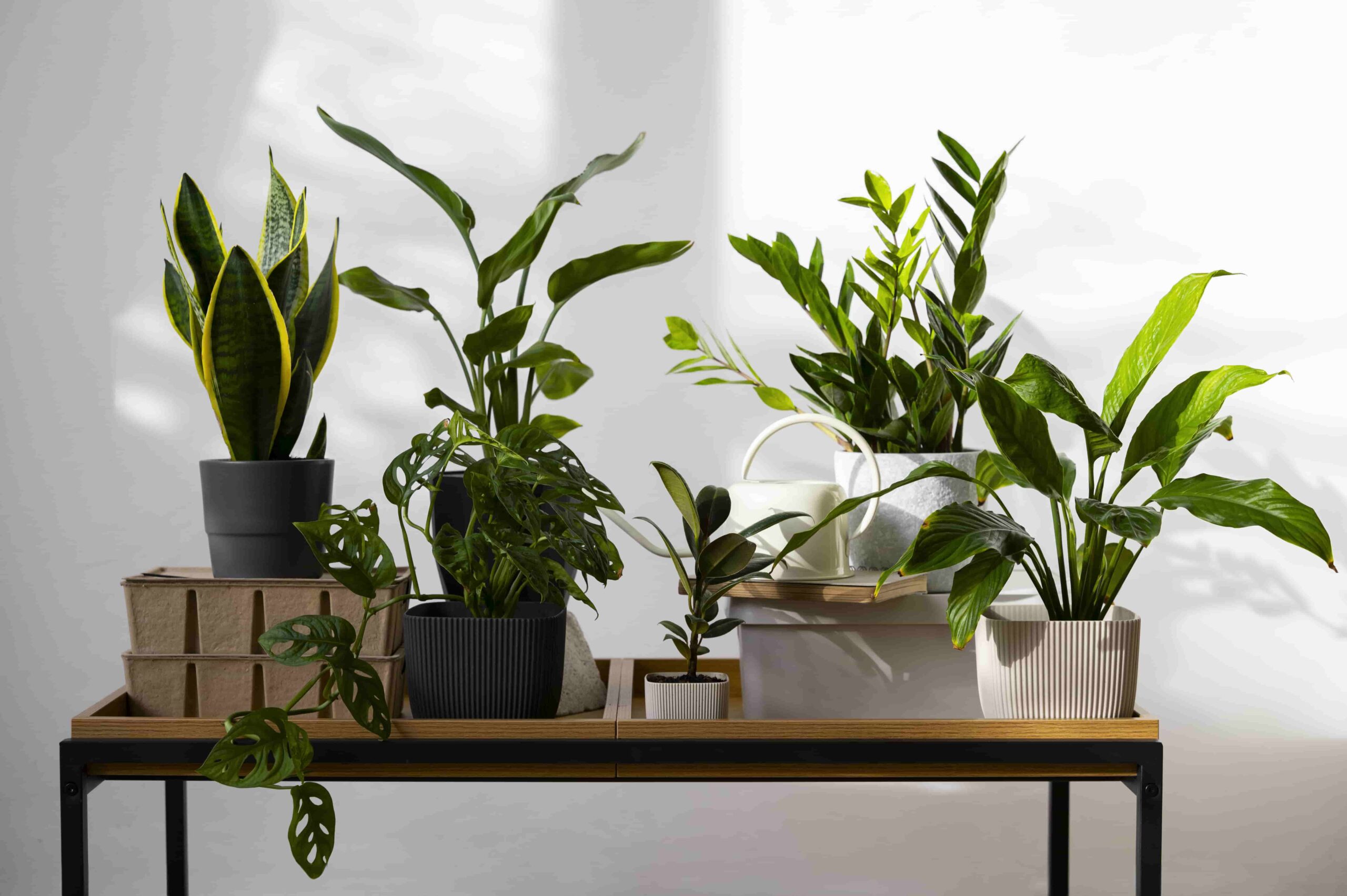
Snake plants are low-light champions. Pothos vines trail beautifully. Peace lilies even bloom indoors.
For Canadian homes, ferns love humidity and handle cooler conditions well.
Watering and Feeding Basics
Next, watering:
-
Summer: once per week.
-
Winter: less often.
Use room-temperature water. Add fertilizer monthly during the growing season.
If leaves turn yellow, adjust light or water.
Light and Placement Tips
Place indoor plants near windows with gentle light. East-facing windows are best.
For apartments with limited natural light, use LED grow lights.
Rotate pots weekly for even growth.
Soil and Potting Essentials
Good soil matters. Use well-draining mixes with perlite for airflow.
Choose pots with drainage holes. Terracotta dries faster, while plastic retains more moisture.
Repot every two years to refresh nutrients.
Dealing with Pests
Indoor pests happen. Wipe leaves with soapy water to prevent infestations.
Neem oil is a natural solution.
Learn more about neem oil.
In humid regions like Canada, use small fans to deter mites.
Styling Your Home with Indoor Plants
Styling is fun. Indoor plants add texture and personality to rooms.
Group plants in threes or fives. Mix sizes for visual balance. Hang some in macramé holders to save space.
Room-by-Room Indoor Plant Ideas
-
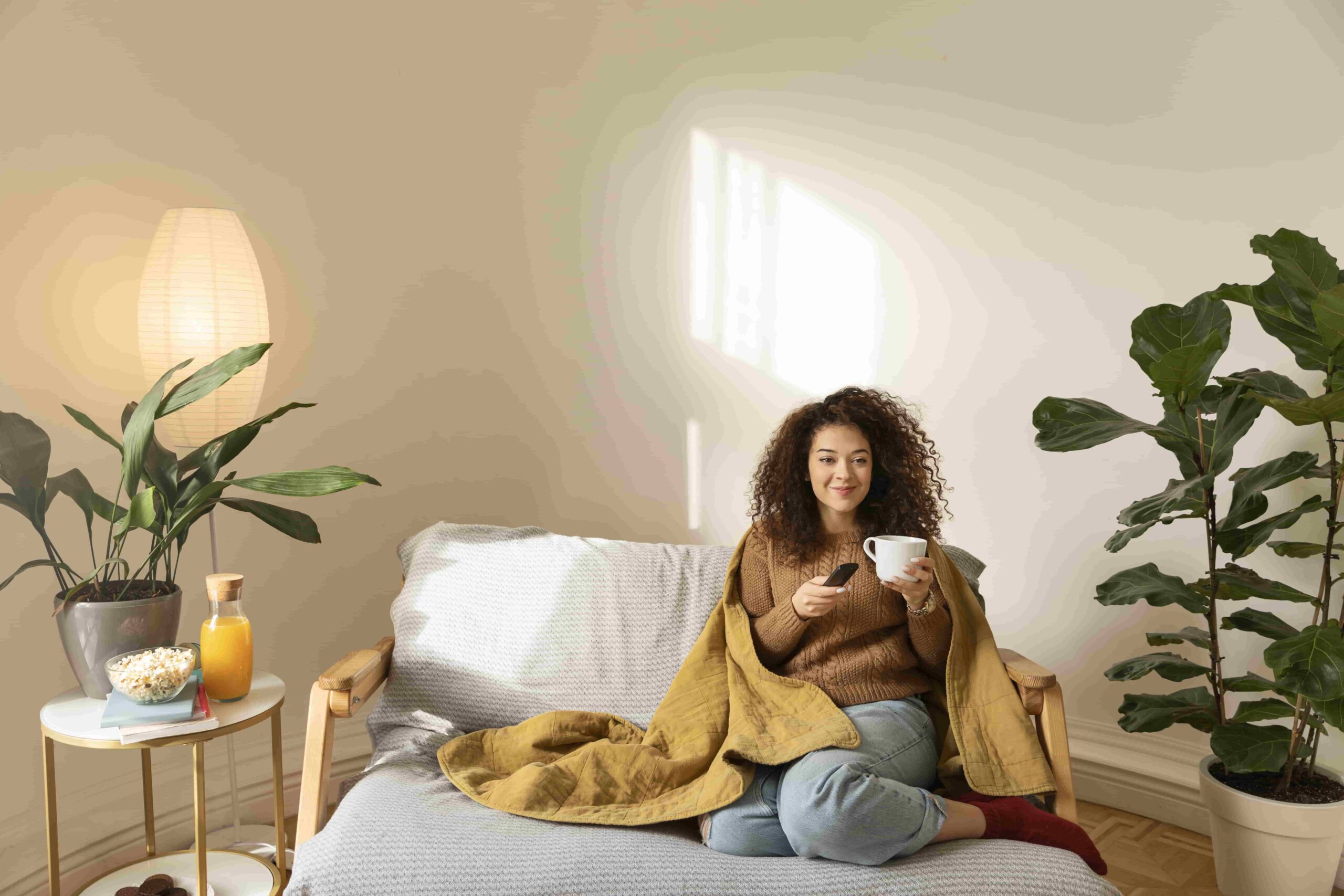
Living Room: Large ficus trees or trailing pothos.
-
Bedroom: Lavender or spider plants for relaxation.
-
Kitchen: Fresh herbs like mint or rosemary.
-
Bathroom: Orchids and ferns thrive in humidity.
-
Office: Desk-friendly ZZ plants or wall gardens.
Seasonal Styling with Indoor Plants
Finally, keep things fresh by changing displays seasonally.
-
Summer: bright flowers.
-
Winter: hardy evergreens.
-
Holidays: festive poinsettias (common in North America).
Eco-Friendly and Budget Tips
Choose local plants to reduce carbon footprint. Repurpose old pots from thrift shops.
Join community swaps in the UK and Canada. They’re affordable and sustainable.
Common Mistakes to Avoid
-
Ignoring care tags.
-
Overwatering or over-fertilizing.
-
Placing light-loving plants in dark corners.
Small adjustments can save your plants.
Advanced Indoor Plant Care
Ready to go further? Try propagation. Cut stems and root them in water.
Join online communities like Reddit’s r/houseplants for tips.
Botanical gardens in the USA and UK also host workshops.
Conclusion
Indoor plants are an easy way to create healthier, happier homes. Start small and build your collection.
Soon, you’ll enjoy fresher air, better focus, and a stylish space that feels alive.