Imagine walking into your home and instantly feeling calm. The clutter is gone, sunlight streams through sheer curtains, and every corner feels intentional. This is the essence of mindful living spaces homes designed to reduce stress and nurture peace. Whether you live in a London flat, a Toronto condo, or a New York apartment, you can transform your surroundings with small, mindful choices.
Mindfulness is about being present, and when applied to our homes, it promotes clarity and balance. Research shows that organized, calm environments reduce anxiety and support well-being. For busy lifestyles in the UK, US, or Canada, creating a mindful space isn’t a luxury it’s a necessity.
Why Mindful Living Spaces Matter
Modern life moves fast. Our homes should counterbalance the chaos outside. Studies from the American Psychological Association reveal that tidy, calming environments are linked to better sleep, lower stress, and even improved relationships. In fact, the UK’s NHS and Canada’s Public Health agencies both highlight how mindful homes contribute to mental health.
By designing calm living spaces, you create a daily retreat that nurtures your mind and body.
Decluttering for Mindful Living Spaces
The first step is decluttering. Walk through each room and notice what feels heavy or chaotic. Items that don’t spark joy or serve a purpose can go. Start small: a single drawer or shelf.
-
UK residents can use Gumtree to sell or donate.
-
Canadians can try Kijiji.
-
Americans might use Craigslist or Facebook Marketplace.
Decluttering frees energy, creates openness, and makes rooms feel larger. Remember less is more in mindful living spaces.
Natural Elements in Mindful Living Spaces
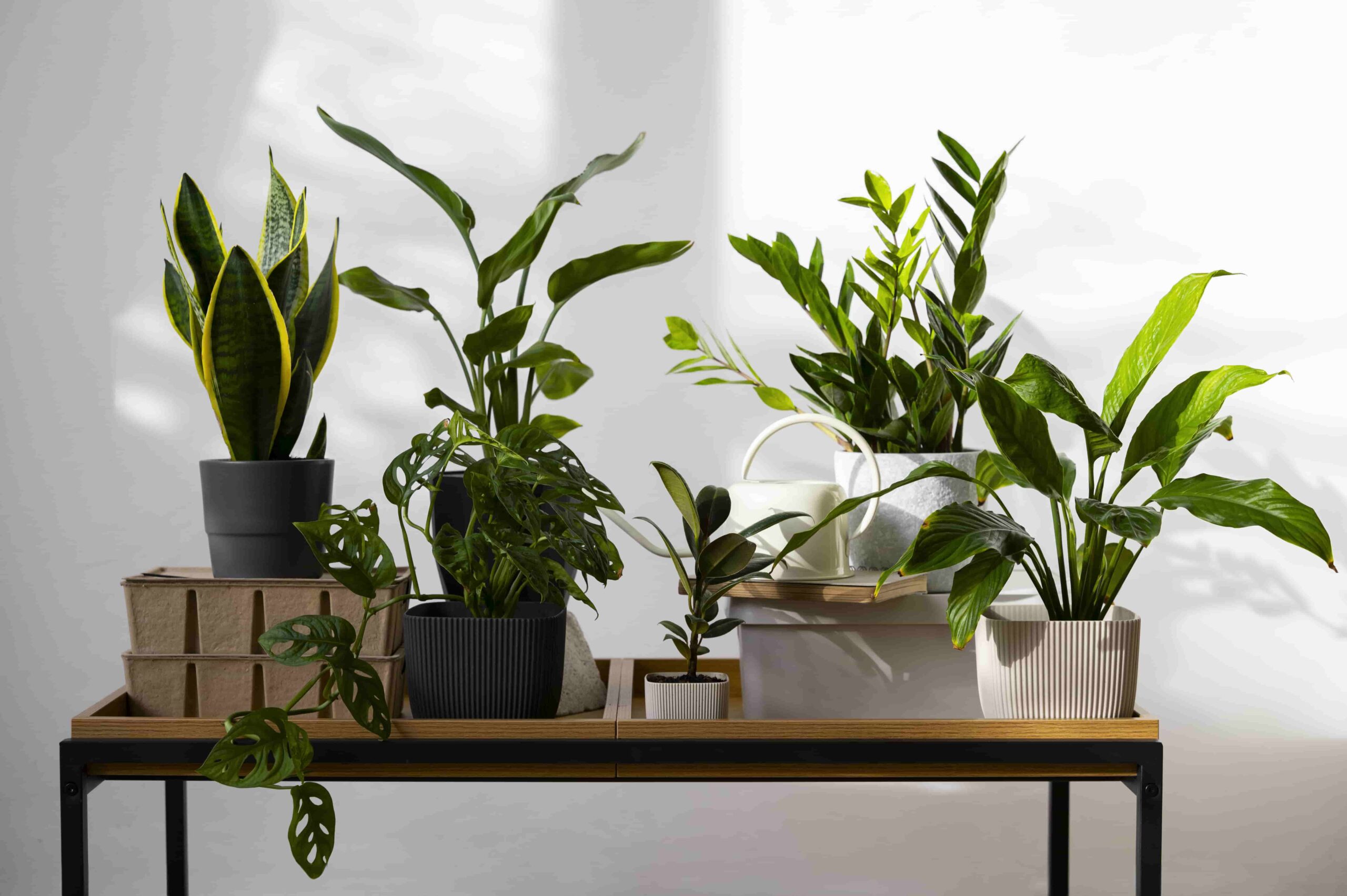
Nature is a natural stress reliever. Adding plants, earthy textures, and sunlight boosts mood and grounds your home.
-
Choose easy plants like succulents or snake plants. The Spruce’s plant guide offers simple options.
-
Use earthy color palettes: calming greens, warm neutrals, or soft blues.
-
Let natural light flood your space. Swap heavy curtains for sheer fabrics.
Harvard research confirms that natural light and greenery indoors reduce anxiety and improve focus perfect ingredients for mindful living spaces.
Zoning Your Mindful Living Spaces
Dividing your home into mindful zones helps balance life’s demands.
-
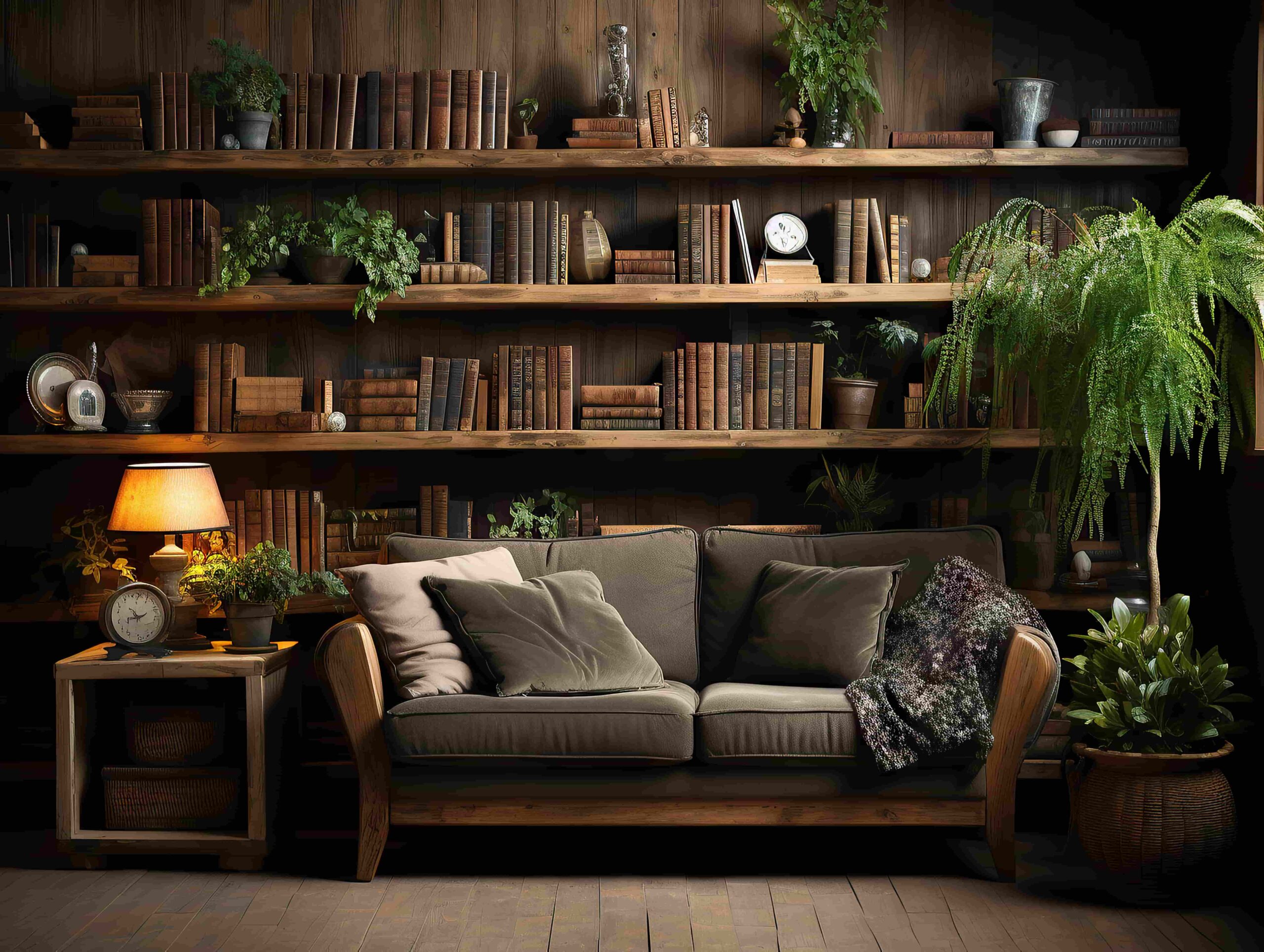
Reading nook: a comfy chair, soft lamp, no screens.
-
Workstation: simple desk, hidden cables. Options from IKEA (US), Habitat (UK), or Structube (Canada).
-
Meditation corner: floor cushions, candles, and maybe a small fountain for ambient sound.
By zoning your home, you design purpose into every corner an essential trait of calm living spaces
Personal Touches in Mindful Living Spaces
Your home should reflect you. Mindfulness doesn’t mean stark emptiness; it means intentional choices.
-
Display meaningful photos or art.
-
Use scents sparingly: lavender or chamomile oils calm the mind.
-
Add textures like wool rugs (Canada), cotton throws (US), or linen cushions (UK).
-
Experiment with sound: soft music, nature sounds from apps like Calm, or a tabletop fountain.
Lighting also sets mood. Use dimmers, warm bulbs, or smart lighting for adaptability. Energy-efficient LEDs save money and suit sustainable calm living spaces.
Organization Habits for Mindful Living Spaces
Mindfulness is ongoing. Storage solutions baskets, shelves, and labels help sustain order.
-
Set monthly check-ins to refresh your space.
-
Practice daily tidying rituals.
-
Encourage family participation: kids can organize toys or pick plants.
For pet owners, add cozy corners for cats or dogs, making your home welcoming for all.
Budget-Friendly Calm Living Spaces
Transforming your home doesn’t require huge investments.
-
Shop thrift stores, UK charity shops, or Canadian garage sales.
-
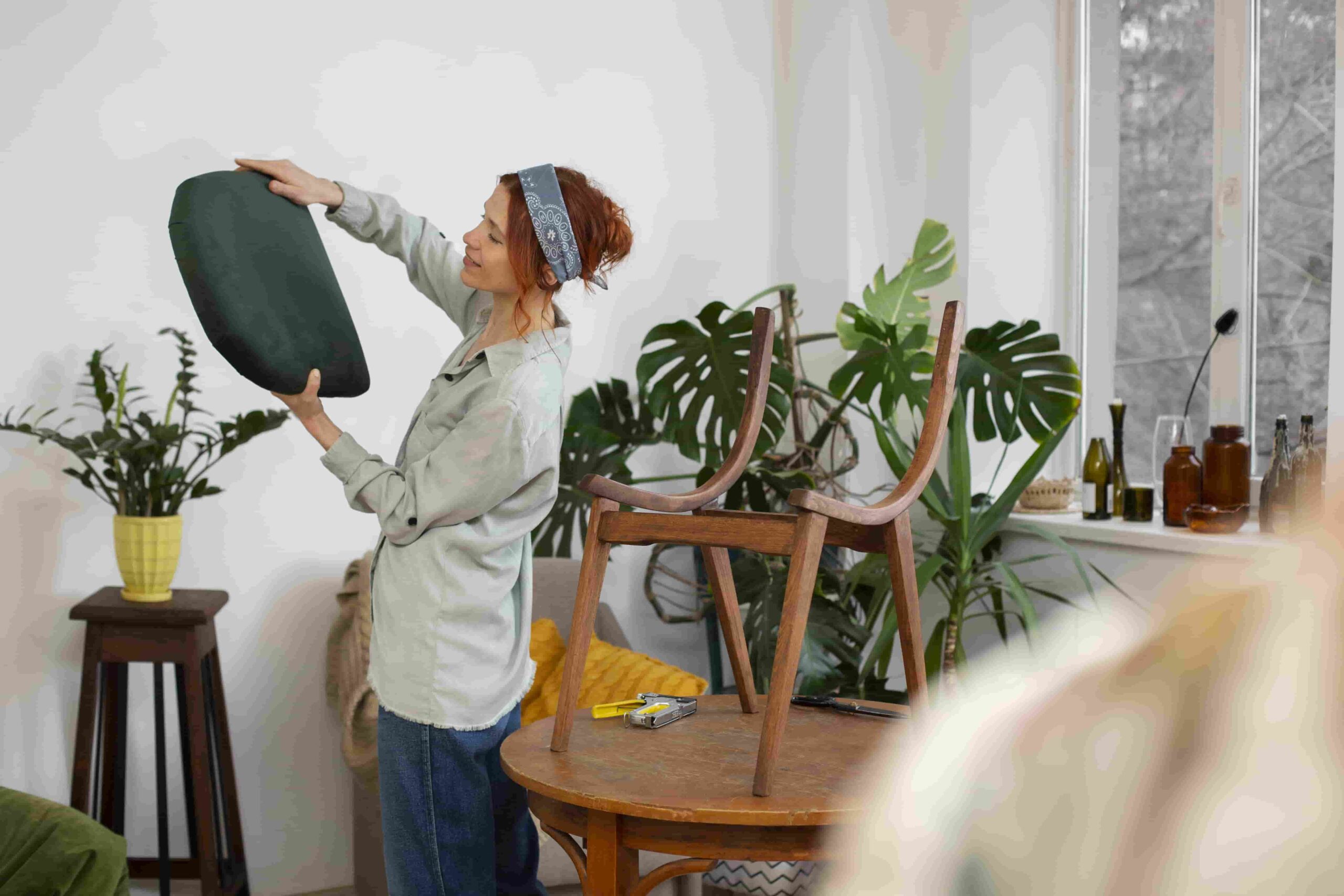
Upcycle old furniture HGTV’s upcycling guide offers ideas.
-
Use DIY hacks like repainting, repurposing, or sewing new covers.
Budget choices not only save money but also add personality to mindful living spaces.
Sustainability in Mindful Living Spaces
Mindfulness includes caring for the planet. Sustainable choices improve both your home and environment.
-
Use bamboo, cork, or recycled fabrics.
-
Explore eco-certified materials in Canada, strict green standards in the UK, and brands like West Elm in the US.
-
Reduce plastic by choosing glass, wood, or metal alternatives.
Sustainability ensures calm living spaces nurture both you and the earth.
Overcoming Challenges in Mindful Living Spaces
Every home has limitations:
-
Small apartments: use vertical storage, floating shelves, or multifunctional furniture.
-
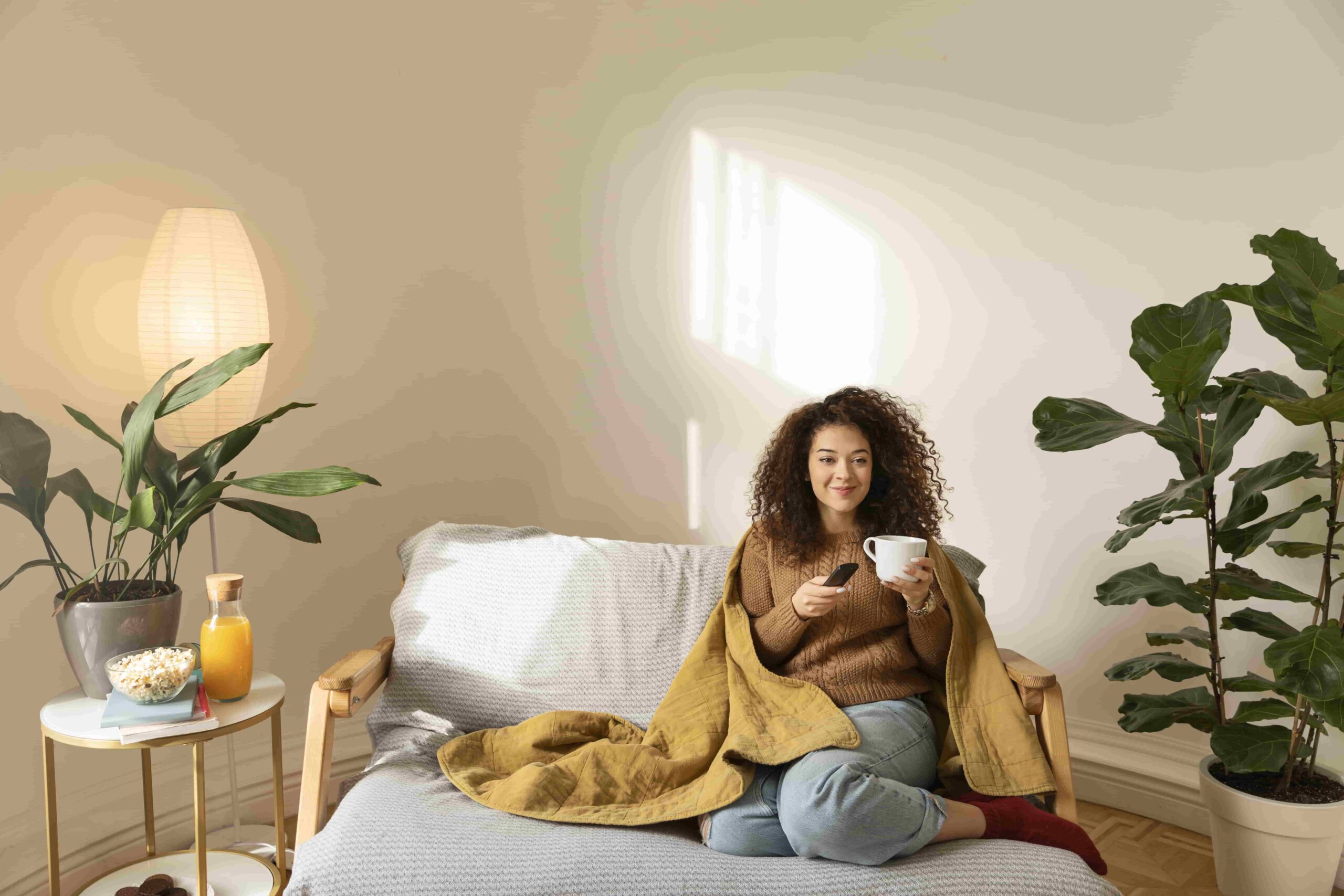
Cold winters: add hygge blankets, candles, and layered textures for coziness.
-
Hot summers: light fabrics, fans, and breathable bedding keep you cool.
Mindfulness is about adapting to your lifestyle, not perfection.
Community and Resources for Mindful Living Spaces
You’re not alone on this journey.
-
Join communities like Mindful.org for articles and tools.
-
Explore Reddit’s r/minimalism for inspiration.
-
Attend local events: mindfulness workshops in the UK, wellness retreats in the US, and meditation classes in Canada.
Learning from others deepens your practice of creating mindful living spaces.
Benefits of calm living spaces
The rewards extend beyond a calmer home:
-
Improved sleep and focus.
-
Stronger family bonds.
-
Reduced stress and anxiety.
-
Better physical health from reduced clutter and more natural light.
The science is clear, and global health organizations agree mindful living spaces improve quality of life.
Start Building Mindful Living Spaces Today
You don’t need to overhaul everything overnight. Start with one drawer, one corner, or one plant. Over time, your home evolves with you.
As your lifestyle changes new jobs, children, or hobbies so should your space. Mindfulness is flexible, adapting to your needs.
In the end, calm living spaces are deeply personal. They reflect what calms you, inspires you, and supports your journey toward balance.
If you have other lifestyle, wellness, or home design posts on your site, you should internally link here, See our guide on choosing the best eco-friendly furniture and Read more about Mental Wellness Routines habits